
Social marketing agencies have moved from being an optional add-on to a core growth function for businesses of every size. What used to be a handful of scheduled posts and the occasional boosted ad has turned into a data-heavy discipline that blends creative production, paid media, influencer partnerships, and commerce enablement. If you have ever wondered why so many founders and marketing heads are choosing to outsource this work rather than build it in-house, the answer usually comes down to speed, expertise, and measurable return.
This guide breaks down seven proven strategies that the best social marketing agencies use to drive real business outcomes in 2026 — from platform-specific content playbooks to influencer partnerships and social commerce integration. Whether you are evaluating an agency for the first time or trying to understand what “good” looks like in this space, these seven areas will give you a clear framework to assess value, benchmark performance, and avoid wasted spend. Along the way, we’ll also cover what to look for when comparing options, since not every agency operates at the same level of sophistication.
Contents
- 1 1. What Social Marketing Agencies Actually Do (Beyond Posting Content)
- 2 2. Why More Indian Businesses Are Hiring Social Marketing Agencies in 2026
- 3 3. Data-Driven Strategy Over Guesswork
- 4 4. Short-Form Video and Platform-Specific Content
- 5 5. Influencer and Creator Partnerships
- 6 6. Social Commerce Integration
- 7 7. How to Choose the Right Social Marketing Agency for Your Business
- 8 Common Mistakes Businesses Make When Working With an Agency
- 9 Industry-Specific Considerations
- 10 What a Typical Onboarding Process Looks Like
- 11 Frequently Asked Questions
- 12 Final Thoughts
1. What Social Marketing Agencies Actually Do (Beyond Posting Content)
The biggest misconception about social marketing agencies is that their job begins and ends with a content calendar. In reality, a competent agency operates closer to a growth partner than a vendor. Their day-to-day work typically spans strategy, creative production, community management, paid amplification, analytics, and increasingly, commerce integration. The scope has widened considerably over the last few years as platforms have added shopping features, longer-form video formats, and more sophisticated ad targeting options that require dedicated expertise to use well.
Core Services Offered
Most social marketing agencies bundle together a mix of the following:
- Platform strategy and audience research
- Content creation (video, static, carousel, and long-form)
- Paid social campaign management
- Community management and customer response
- Influencer sourcing and campaign coordination
- Performance reporting and attribution
- Social commerce setup and catalog management
Some agencies specialize in one or two of these areas — for example, a boutique shop that focuses purely on influencer sourcing — while full-service social marketing agencies offer all of them under one roof. Neither model is inherently better; the right choice depends on whether you need a single point of accountability or prefer to assemble a stack of specialists yourself.
How They Differ From In-House Teams
An in-house marketer is often stretched across brand, performance, and operations simultaneously. A dedicated social marketing agency, by contrast, brings specialized talent — a video editor, a paid media buyer, a community manager — who each focus on one discipline. This division of labor is one of the biggest reasons social marketing agencies consistently outperform solo in-house efforts on output volume and platform-specific nuance. There’s also a speed advantage: agencies that work across multiple clients and industries tend to spot format and platform shifts earlier, simply because they’re testing at a larger scale than any single brand could on its own.
If you want to see how this looks in practice, our team breaks down a full-service model on our social media management services page.
2. Why More Indian Businesses Are Hiring Social Marketing Agencies in 2026
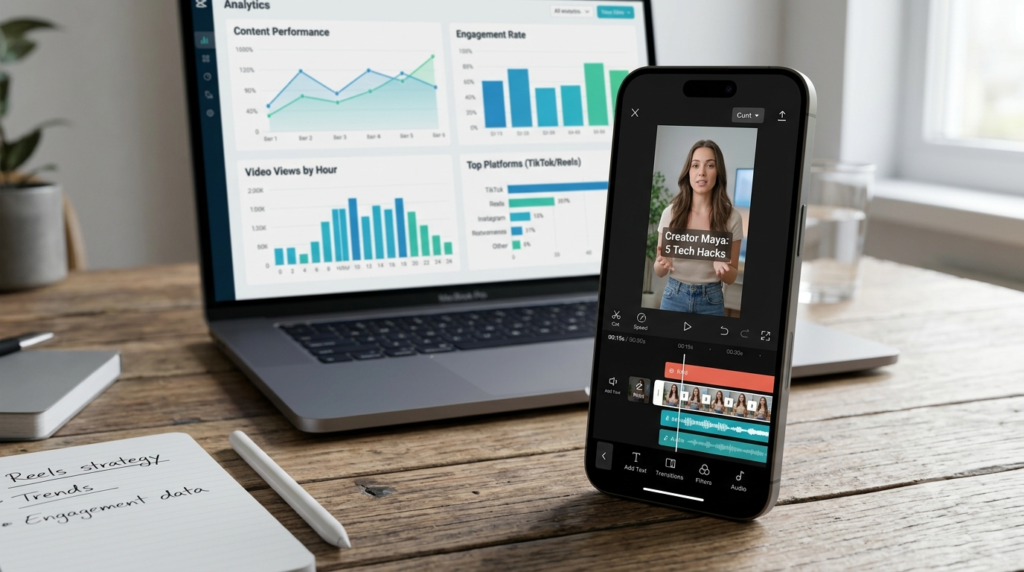
The shift toward outsourcing social media isn’t just anecdotal — the data backs it up. Ad spending on social media is expected to grow by roughly 10.9% each year from 2026 to 2030, and social media ads now account for nearly $3 out of every $10 spent on digital advertising. That kind of budget growth is pushing businesses to bring in specialists rather than stretch generalist marketers thin across too many channels at once.
The ROI Data Behind the Shift
The return on investment numbers are hard to ignore. Global social media ad spend reached an estimated $317.3 billion in 2026, delivering an average return of $5.20 for every dollar invested, with influencer marketing returning as much as $5.78 per dollar spent. When returns like this are on the table, hiring experienced social marketing agencies becomes less of a discretionary cost and more of a straightforward growth investment, especially for businesses that don’t have the internal bandwidth to test and optimize campaigns at this pace.
Budget Reallocation Trends
Roughly 80% of marketing leaders plan to shift budget from other channels toward social, and close to 87% expect their paid social spend to increase further this year. This reallocation is a strong signal that social marketing agencies are becoming the default execution partner for that growing spend, particularly for mid-sized businesses that can’t justify hiring a full internal team but still need to compete for attention on crowded platforms.
3. Data-Driven Strategy Over Guesswork
The best social marketing agencies have moved away from posting on instinct and toward decisions backed by performance data. According to Goat Agency, brands leveraging AI-generated creative and performance-first data are seeing as much as an 82% increase in ROI — a gap that’s genuinely difficult to close without dedicated tooling, testing infrastructure, and a team that lives in the analytics dashboard every day.
AI and Performance-First Content
This is where social marketing agencies earn their fee. Instead of guessing which creative will land, agencies run structured tests across formats, hooks, and posting windows, then double down on what the data shows is actually working. The agencies that skip this step tend to plateau quickly once organic reach dries up, because they’re relying on the same handful of content ideas without a system for finding what should replace them.
Platform-Specific Playbooks
No two platforms behave the same way, and a social marketing agency worth hiring will build separate playbooks for each one rather than repurposing the same asset everywhere. Instagram is used by roughly 70% of marketers, making it the single most widely leveraged platform in marketing strategies today, with Facebook close behind at nearly 70% as well. Because of this, most social marketing agencies treat these two platforms as the anchor of any strategy, then layer in TikTok, YouTube, and X depending on where the target audience actually spends time.
4. Short-Form Video and Platform-Specific Content
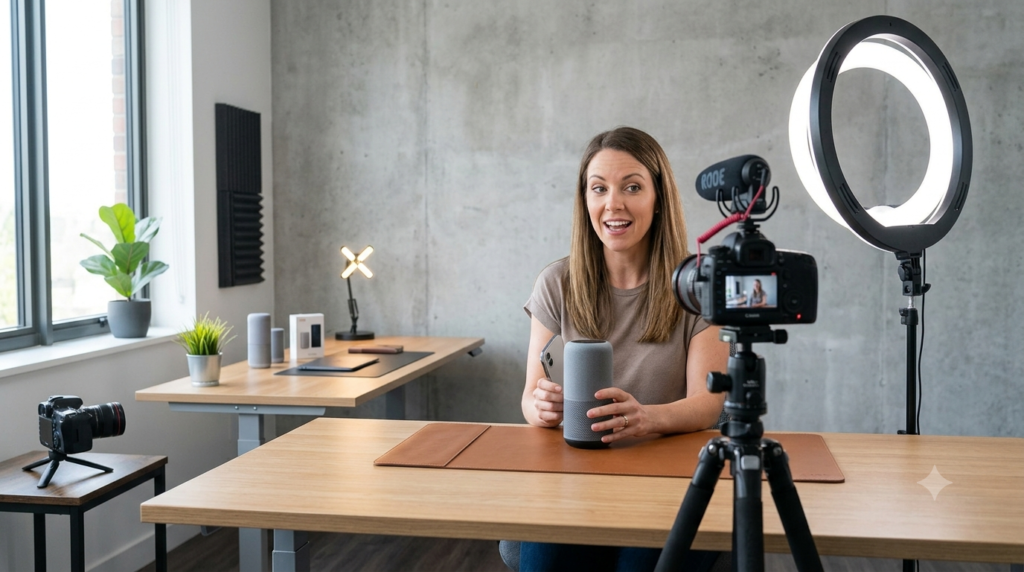
Video has become the format that most social marketing agencies build their entire content engine around. Short-form video now delivers the highest ROI among video formats, cited by roughly 41% of marketers as their top-performing type, and this trend shows no sign of slowing down through the rest of 2026.
A strong social marketing agency won’t just repost the same video everywhere — they’ll cut different versions for Reels, Shorts, and TikTok, each tuned to that platform’s pacing, aspect ratio, and captioning conventions. Short-form video ads are reported to produce roughly 1.6 times higher ROI than static formats, which is exactly why agencies now default to video-first production rather than treating it as a secondary asset tacked onto a static-heavy content calendar.
For businesses still relying mostly on static creative, this is often the single biggest gap that specialized creative partners are brought in to close, since building a reliable video production pipeline internally takes both equipment and a specific kind of creative talent. If you’re weighing whether to build this capability internally or outsource it, our case studies page walks through a few examples of what that transition looked like for our clients.
5. Influencer and Creator Partnerships
Influencer marketing has quietly become one of the highest-performing levers that social marketing agencies manage on behalf of clients. An estimated 94% of organizations now say influencer marketing outperforms traditional digital advertising, often delivering returns of two to three times what a comparable ad spend would generate on its own.
Sourcing and managing creator relationships at scale is genuinely difficult without a system for it — vetting audience quality, negotiating rates, briefing creators on brand tone, and tracking whether a given partnership actually drives sales rather than just impressions. This is precisely the kind of operational load that a dedicated creator-management team is built to absorb, since they typically maintain existing creator networks and can move faster than a brand starting relationship-building from zero. A good agency will also know which creators tend to inflate their numbers and which ones consistently convert, a distinction that only comes from running many campaigns across many creators over time.
6. Social Commerce Integration
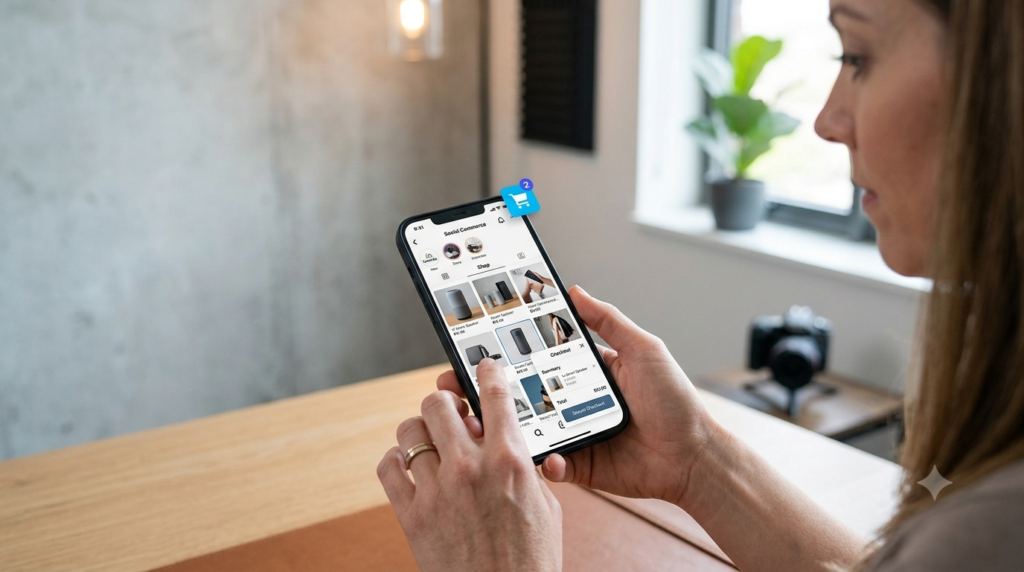
Social platforms are no longer just discovery channels — they’re becoming a genuine point of sale, and social marketing agencies are adapting their service offerings accordingly. Platforms like TikTok, Instagram, and YouTube now collectively account for more than 60% of product discovery, a share that has surpassed traditional search for many consumer categories.
According to Sprout Social, social networks generated an estimated 15.2% of total online sales in 2026, and global social commerce revenue is projected to cross the $1 trillion mark by 2027. Given numbers like these, any agency that still treats social purely as a brand-awareness channel is leaving revenue on the table. The more forward-thinking agencies are now building in-app shopping, checkout tagging, product catalogs, and live-shopping events directly into their client strategies, rather than treating commerce as an afterthought handled separately by an e-commerce team.
7. How to Choose the Right Social Marketing Agency for Your Business
With so many options in the market, picking the right partner among competing social marketing agencies comes down to a handful of practical checks rather than a portfolio alone. A polished case study deck is easy to produce; consistent, repeatable results are not.
Questions to Ask Before Signing
- Which platforms and formats do they specialize in, and does that match your audience?
- Can they show performance data from a comparable client, not just follower growth?
- Who actually creates the content — an in-house team or a rotating pool of freelancers?
- How do they define and report ROI, and how often will you see that reporting?
- What does a typical 90-day roadmap look like for a client in your industry?
- How do they handle underperforming content or campaigns mid-flight?
Red Flags to Avoid
Be cautious of any of the social marketing agencies you’re evaluating if they guarantee follower counts without discussing conversion, refuse to share past client results, or push a one-size-fits-all package regardless of your industry or budget. According to HubSpot, the top marketing channels driving ROI for B2B brands are their website and SEO efforts, paid social media content, and social media shopping tools — a genuinely good agency will be able to tell you exactly where your business fits into that mix rather than applying the same generic playbook to every client on their roster.
If you’re currently comparing options, feel free to get in touch with our team — we’re happy to walk you through how a tailored strategy would look for your specific business and budget, and where you might already be leaving performance on the table.
Common Mistakes Businesses Make When Working With an Agency
Even after signing with one of the more capable social marketing agencies in the market, businesses can undercut their own results through a handful of avoidable mistakes. Understanding these upfront tends to make the working relationship smoother and the reporting easier to trust.
Treating the Agency as a Content Vending Machine
Some brands hand over a brief once and expect content to appear on schedule with no further input. The strongest results tend to come from an ongoing feedback loop — sharing product updates, customer feedback, and business priorities regularly so the agency’s content stays grounded in what’s actually happening in the business. Social marketing agencies that operate in an information vacuum end up producing generic content, not because they lack skill, but because they lack context.
Judging Performance Too Early
Platforms reward consistency, and algorithms take time to learn what an account’s content is about. Judging a new social marketing agency relationship after two or three weeks rarely gives an accurate picture. Most agencies will ask for a minimum three-month window before drawing conclusions, and pulling the plug earlier than that often means losing momentum right before the account starts to compound.
Focusing Only on Vanity Metrics
Follower counts and likes are easy to track but rarely tell the full story. A results-oriented brief should push social marketing agencies to report on metrics tied to business outcomes — leads generated, website clicks, add-to-carts, or actual sales — rather than engagement numbers alone. Agencies that default to vanity metrics in their reporting are often doing so because the underlying performance data is harder to defend.
Ignoring Paid Amplification Entirely
Organic reach on most platforms has declined steadily for years, and even the best organic content benefits from a modest paid budget behind it. Businesses that ask social marketing agencies to deliver strong results on organic content alone, with zero paid spend, are usually setting expectations the platforms themselves won’t support.
Industry-Specific Considerations
Not every sector needs the same approach from a social media partner, and this is another area where experienced social marketing agencies differentiate themselves from generalist shops.
E-Commerce and D2C Brands
For product-led businesses, the priority is usually tight integration between content and the shopping experience — product tagging, catalog syncing, and creative that’s built to convert rather than just entertain. Social marketing agencies working in this space tend to lean heavily on short-form video and influencer seeding to drive discovery-to-purchase in a single journey.
B2B and Services Businesses
B2B brands typically need a slower-burn strategy focused on thought leadership, case studies, and platforms like LinkedIn rather than the visually-driven platforms that dominate D2C marketing. The social marketing agencies that do this well tend to invest more heavily in written and long-form content, alongside targeted paid campaigns aimed at decision-makers rather than broad consumer audiences.
Local and Regional Businesses
For businesses operating primarily in one city or region, hyperlocal targeting, community management, and reviews often matter more than broad reach. A social marketing agency serving local clients will typically prioritize location-based ad targeting and community engagement over the influencer-heavy strategies that work well for national D2C brands. Reviews and local search visibility also tend to carry more weight for these businesses, since a nearby customer deciding between two options is often influenced as much by recent reviews and responsiveness as by the content itself.
What a Typical Onboarding Process Looks Like
Understanding the onboarding process can help set realistic expectations before signing a contract. Most reputable agencies follow a broadly similar sequence, even if the exact timeline varies by team size and scope.
Discovery and Audit
The first two to three weeks usually involve a deep audit of existing accounts, competitor benchmarking, and a review of past performance data if any exists. This stage is where the agency identifies quick wins alongside longer-term structural changes — things like inconsistent posting cadence, weak calls-to-action, or a mismatch between the content style and what the target audience actually engages with.
Strategy and Content Planning
Once the audit is complete, the agency typically presents a content pillar structure, a rough posting cadence per platform, and an initial paid media plan if that’s part of the scope. This is the stage where it’s worth pushing back if something doesn’t feel aligned with your business goals — a good partner will welcome that feedback rather than treat the strategy document as final.
Production and Launch
Content production usually ramps up over the following few weeks, with the first batch of posts, videos, or campaigns going live roughly 30 to 45 days after the engagement begins. Early performance data from this stage feeds directly into the next round of optimization, which is why the first quarter of any engagement tends to involve more iteration than the months that follow.
Ongoing Optimization
From month three onward, most engagements shift into a steadier rhythm of production, reporting, and incremental optimization based on what the data is showing. Regular reporting calls — typically monthly or biweekly — become the main touchpoint, with the account team adjusting the content mix, ad spend allocation, and creator partnerships as new performance data comes in.
Frequently Asked Questions
How much do social marketing agencies typically charge?
Pricing varies widely depending on scope, platform count, and whether paid media management is included, but most mid-sized social marketing agencies work on monthly retainers rather than one-off project fees, since ongoing strategy and content production is where most of the value gets delivered.
How long before you see results from a social marketing agency?
Most social marketing agencies will tell you to expect the first 60 to 90 days to be a testing and optimization phase, with more consistent, compounding results showing up from month three onward as the account has enough data to work from.
Can a social marketing agency work alongside an in-house marketing team?
Yes — many businesses use social marketing agencies to fill specific gaps, such as video production or paid media, while keeping brand strategy and customer relationships managed internally. This hybrid model is increasingly common among mid-sized companies that want specialist support without fully outsourcing the function.
Final Thoughts
Choosing among social marketing agencies isn’t just about who posts the most content — it’s about who can tie that content back to measurable growth. The agencies that will matter most in 2026 are the ones combining platform-specific strategy, video-first production, influencer partnerships, and social commerce into a single, accountable system. As social marketing agencies continue to absorb a growing share of marketing budgets, the businesses that choose carefully — and ask the right questions upfront — will be the ones that see the strongest returns on that investment.
The market for social media services will only get more crowded from here, which makes the evaluation criteria covered in this guide more relevant, not less. Spend time on the discovery calls, ask for real client data rather than polished screenshots, and treat the first quarter of any engagement as a testing period rather than a final verdict. Businesses that approach the search this way tend to end up with partners who stick around for years rather than agencies they replace every few months.